
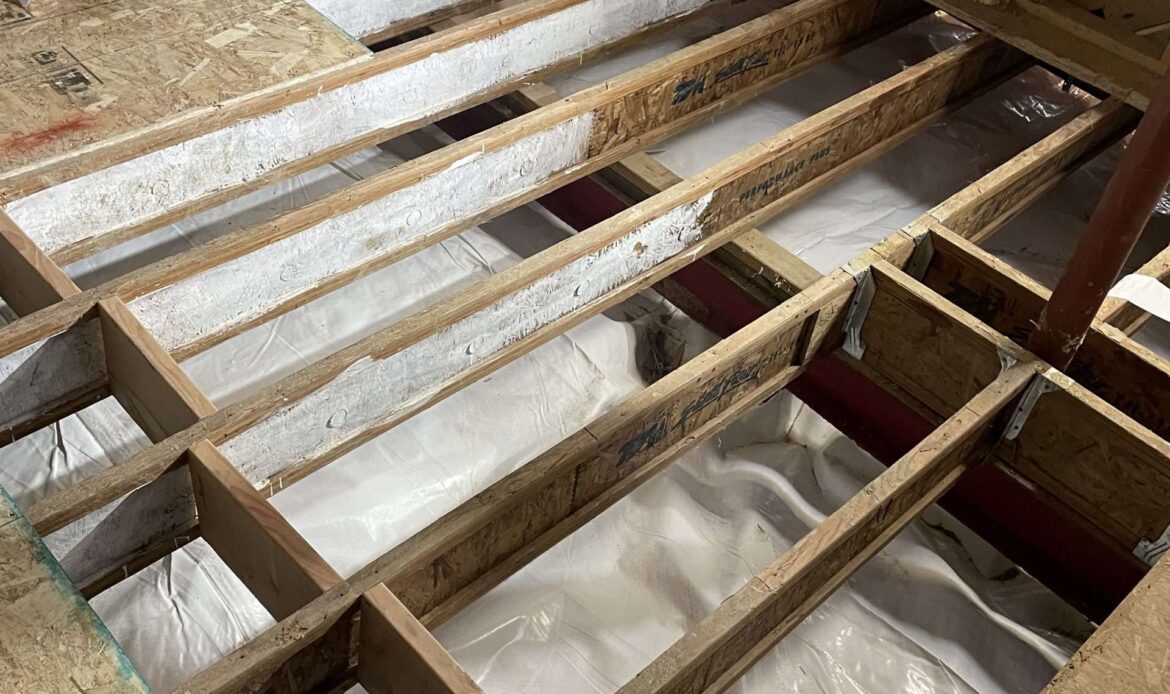
When you install new flooring, you expect it to look clean, level, and professionally finished. But what happens when tiles crack, planks shift, or the surface starts sounding hollow underfoot?
In many cases, the problem is not the flooring itself. The real issue is hidden underneath. Subfloor problems are one of the most common causes of early flooring failure. The challenge is that most DIY renovators do not realise there is an issue until the damage is already done.
This subfloor repair guide will help you identify common subfloor issues, understand what causes them, and learn how to fix them properly before installing new flooring.
If you are planning a renovation, this knowledge can protect your investment and prevent expensive rework.
Why Your Subfloor Matters More Than You Think
Your subfloor is the structural base that supports your finished flooring. Whether you are installing tiles, hybrid planks, vinyl, timber, or laminate, the surface underneath must be:
- Clean
- Dry
- Flat
- Structurally sound
- Within manufacturer tolerances
Even minor defects can cause visible problems once new flooring is installed. Unlike paint or décor, flooring depends entirely on what lies beneath it.
Common Signs Your Subfloor Has a Problem
Before installing new flooring, look for these warning signs.
Uneven or Sloping Areas
If parts of the floor feel higher or lower than others, this indicates uneven concrete, sagging timber, or poor previous levelling work.
Large format tiles and rigid flooring are especially sensitive to uneven surfaces. Even small height differences can lead to lippage or gaps.
Cracks in Concrete
Hairline cracks may seem harmless, but structural cracks can expand over time. Movement beneath tiles often causes grout cracking and tile breakage.
Hollow Sounds
If existing tiles sound hollow when tapped, it usually means poor bonding or movement in the substrate.
Creaking or Movement in Timber Floors
Timber subfloors should feel stable and secure. Movement or squeaking indicates loose boards, inadequate support, or weakened framing.
Moisture Issues
Moisture is one of the most destructive subfloor problems and must be addressed before installation.
According to the Victorian Building Authority, water damage routinely tops the list of defects in buildings and is one of the most common causes of disputes and complaints in residential construction. This highlights how critical it is to identify and resolve moisture issues before installing any new flooring.
Signs of moisture include:
- Damp smell
- Discolouration
- Mould growth
- Warping timber
- Bubbling vinyl
Moisture is one of the most destructive subfloor problems and must be addressed before installation.
The Most Common Subfloor Issues and How to Fix Them
Now let us look at the most common subfloor issues DIY renovators encounter and how to resolve them correctly.
1. Uneven Concrete Slabs
Problem
Concrete slabs often have high and low spots caused by settlement, poor finishing, or previous flooring removal.
Why It Matters
Most flooring manufacturers specify strict flatness tolerances. Exceeding these tolerances leads to movement, cracking, and premature wear.
Solution
- Check flatness using a long straight edge.
- Mark high and low areas.
- Grind down high spots using mechanical grinding equipment.
- Apply a suitable primer.
- Use a quality levelling compound to correct low areas.
- Allow full curing time before installation.
Skipping grinding or primer is a common mistake that leads to levelling compound failure.
2. Cracked Concrete
Problem
Cracks may result from structural movement, shrinkage, or poor curing.
Why It Matters
Cracks can reflect through tiles and rigid flooring over time.
Solution
- Identify whether the crack is structural or non structural.
- Clean out loose debris from the crack.
- Use an appropriate crack repair compound or epoxy filler.
- In some cases, apply a crack isolation membrane before tiling.
Ignoring cracks increases the risk of visible damage later.
3. Adhesive and Contamination Residue
Problem
Old tile glue, carpet adhesive, paint, or coatings prevent proper bonding.
Why It Matters
New adhesives require a clean, porous surface to adhere properly. Contaminants weaken the bond.
Solution
- Mechanically grind the surface to remove residue.
- Vacuum thoroughly to remove dust.
- Avoid relying on scraping alone.
Proper mechanical preparation ensures long term bonding performance.
4. Timber Subfloor Movement
Problem
Loose boards, flexing, and inadequate support create instability.
Why It Matters
Tiles and rigid flooring materials do not tolerate movement. Even slight flexing can cause cracks.
Solution
- Inspect for loose or squeaky boards.
- Secure boards with appropriate fasteners.
- Replace damaged sections.
- Install a suitable underlay if required.
Stabilising the timber structure is essential before laying tiles or hybrid flooring.
5. Moisture Problems
Problem
Excess moisture in concrete or timber can lead to adhesive failure, warping, and mould growth.
Why It Matters
Moisture trapped beneath flooring cannot escape and will eventually damage the surface above.
Solution
- Conduct moisture testing before installation.
- If moisture levels are high, investigate the source.
- Improve drainage or waterproofing if needed.
- Allow the slab to dry to acceptable levels.
- Consider moisture barrier systems where appropriate.
Installing flooring over a damp subfloor almost always leads to failure.
6. Weak or Crumbling Surfaces
Problem
Old screeds or deteriorated concrete may crumble under pressure.
Why It Matters
A weak substrate cannot support adhesives or levelling compounds effectively.
Solution
- Remove loose or unstable material.
- Repair damaged areas with appropriate patching compounds.
- Ensure the surface is solid before proceeding.
Applying new flooring over a weak base is a short term fix that will not last.
How to Assess Your Subfloor Before Installing New Flooring
DIY renovators should follow a simple checklist before proceeding.
- Inspect visually for cracks, movement, and contamination.
- Check flatness using a straight edge.
- Test moisture levels where possible.
- Identify any hollow or unstable areas.
- Confirm manufacturer tolerances for your chosen flooring product.
Taking time at this stage prevents costly mistakes later.
When DIY Is Not Enough
While minor repairs can be handled by experienced DIY renovators, some subfloor problems require professional intervention.
These include:
- Extensive structural cracks
- Significant unevenness
- High moisture readings
- Large scale grinding requirements
- Complex levelling applications
Subfloor preparation requires specialised equipment such as industrial grinders, dust control systems, and accurate moisture meters. Without these tools, results may be inconsistent.
There is no shame in seeking professional help. In fact, it can save you from replacing your entire floor.
Reassurance for DIY Renovators
If you are worried that your subfloor may be causing issues, the good news is that most problems can be fixed when identified early.
Subfloor repair is not about tearing everything out and starting from scratch. In many cases, it involves targeted repairs, proper grinding, and accurate levelling.
The key is not to ignore warning signs. Small issues left untreated tend to grow into major failures once new flooring is installed.
By inspecting carefully, testing properly, and addressing problems before installation, you dramatically increase the lifespan of your new floor.
Get Your Subfloor Checked Before Flooring Installation
If your new flooring is cracking, lifting, creaking, or feeling uneven, your subfloor may be the hidden cause. The surface beneath your floor plays a greater role in performance than the visible finish itself.
Identifying cracks, movement, moisture, and uneven areas early allows you to fix the problem before it becomes expensive.
If you are unsure about the condition of your subfloor, we are here to help. At Total Prep Floor Solutions, we specialise in identifying and repairing subfloor issues before they damage your new flooring. We understand the concerns DIY renovators face, and we provide practical solutions that protect your renovation investment.
Contact us at Total Prep Floor Solutions today. We will assess your subfloor, recommend the right repair approach, and ensure your new floor has a solid, reliable foundation.