
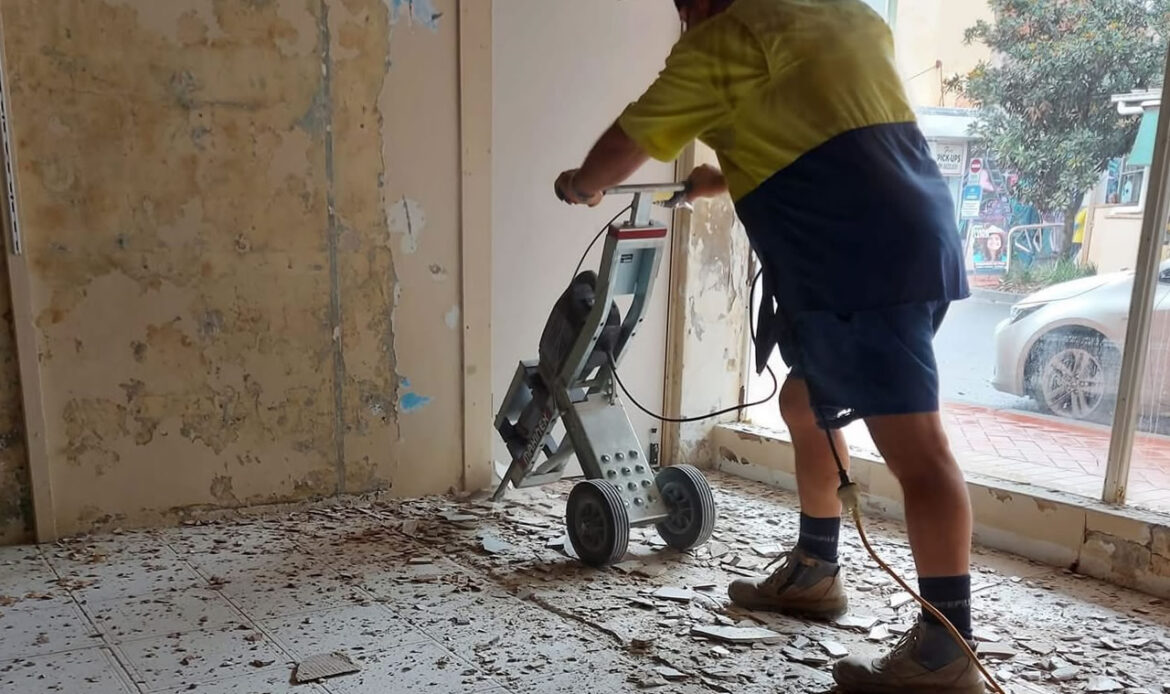
Every flooring installation has a critical control point that determines long-term performance. That point occurs well before the finished surface is installed or the area is commissioned for use. It occurs during subfloor preparation.
Subfloor preparation is the phase that is no longer visible once the project is complete, yet it has the greatest influence on flooring performance, service life, and compliance with manufacturer specifications. At Total Floor Prep Solutions, we deliver floor preparation services across all project scales with the understanding that no flooring system can exceed the performance of the substrate to which it is bonded. Whether the scope involves a residential renovation or a large-scale commercial or industrial application, the technical requirements remain consistent: the substrate must be clean, structurally sound, dimensionally stable, and prepared to suit the specified flooring system.
This work is not cosmetic in nature. It is a technical process governed by substrate condition, surface profile requirements, flatness tolerances, moisture behaviour, and adhesion performance. Effective floor preparation relies on correct assessment, specialised mechanical equipment, and practical knowledge of how flooring systems perform under Australian site conditions.
Floor Preparation Is the Foundation, Not an Add-On
There is a tendency in construction and renovation projects to view floor preparation as a preliminary task, something that simply needs to be “done” before the main work begins. In b practice, it is the most important stage of the entire flooring process.
Many flooring failures occur months or even years after installation, long after the original project is considered complete. When problems such as lifting, cracking, hollow sounds, or uneven finishes appear, the cause is often traced back to insufficient preparation rather than faulty materials. Adhesives fail to bond properly, moisture migrates through untreated slabs, and uneven surfaces place stress on flooring systems that were never designed to compensate for poor substrates.
Professional floor preparation eliminates these risks before installation begins. It ensures the slab is clean, level, stable, and compatible with the chosen flooring system. This is what allows floors to perform as intended over the long term.
Understanding the Reality of Concrete Subfloors
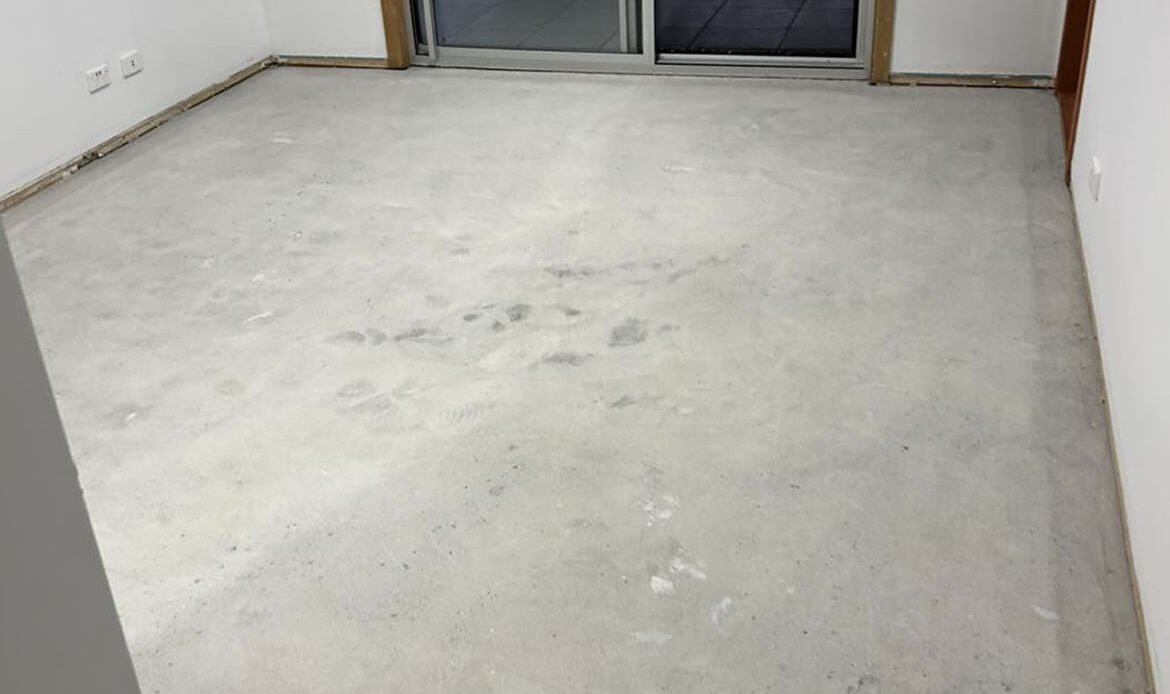
Concrete is often assumed to be a stable and uniform surface, but in reality, no two slabs are the same. Variations in curing, finishing methods, age, and previous use all influence how a slab behaves when new flooring is introduced.
Older slabs frequently contain layers of adhesive from previous installations, particularly in residential and commercial renovations where vinyl, carpet, or tiles have been replaced multiple times. Newer slabs can present their own challenges, including surface laitance, uneven curing, or minor undulations that fall outside acceptable tolerances for modern flooring products.
Moisture is another critical factor. Concrete naturally holds and transmits moisture, and if this is not properly managed during preparation, it can lead to flooring failure long after installation. Floor preparation takes these realities into account, addressing both visible and hidden issues so the substrate is ready to receive new finishes.
Small Residential Projects Deserve the Same Standard
It is often assumed that floor preparation only becomes important on large sites. In truth, residential projects are where preparation mistakes are most noticeable and most costly for homeowners.
Bathrooms, kitchens, laundries, and living areas are spaces where uneven surfaces, poor adhesion, or moisture issues quickly become apparent. Even small deviations in level can cause tiles to lip, vinyl planks to separate, or timber floors to creak and move. Once the flooring is installed, rectifying these problems usually requires removal and replacement, significantly increasing the cost of the project.
Professional preparation in residential settings ensures that the subfloor is brought to the correct standard before installation. This allows flooring installers to achieve a clean, consistent finish and gives homeowners confidence that their investment will last. The size of the room does not reduce the technical requirements of the job. A small space still demands accuracy and care.
Renovations Often Reveal Hidden Problems
Renovation projects frequently uncover conditions that were never visible under old flooring. Adhesive residues, cracked slabs, uneven patches, and moisture-affected areas are common discoveries once existing coverings are removed.
Without proper preparation, these issues are often ignored or temporarily masked. Flooring may appear acceptable at first, only to fail once the space is in use. Professional floor preparation addresses these problems at their source, rather than allowing them to compromise the new flooring system.
This is particularly important in older homes, where construction methods and materials may not align with modern flooring requirements. Preparation bridges the gap between existing structures and contemporary flooring solutions.
Commercial Projects Demand Control and Coordination
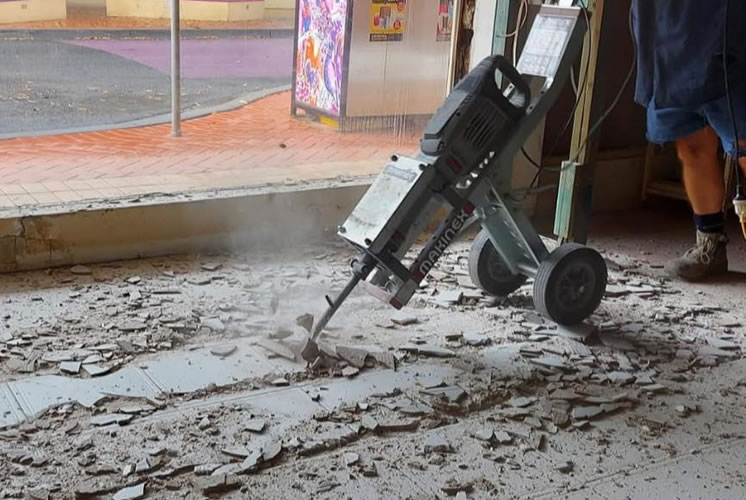
Commercial floor preparation introduces additional considerations beyond the technical condition of the slab. Offices, retail spaces, hospitality venues, healthcare facilities, and educational buildings often require work to be completed within strict timeframes and under operational constraints.
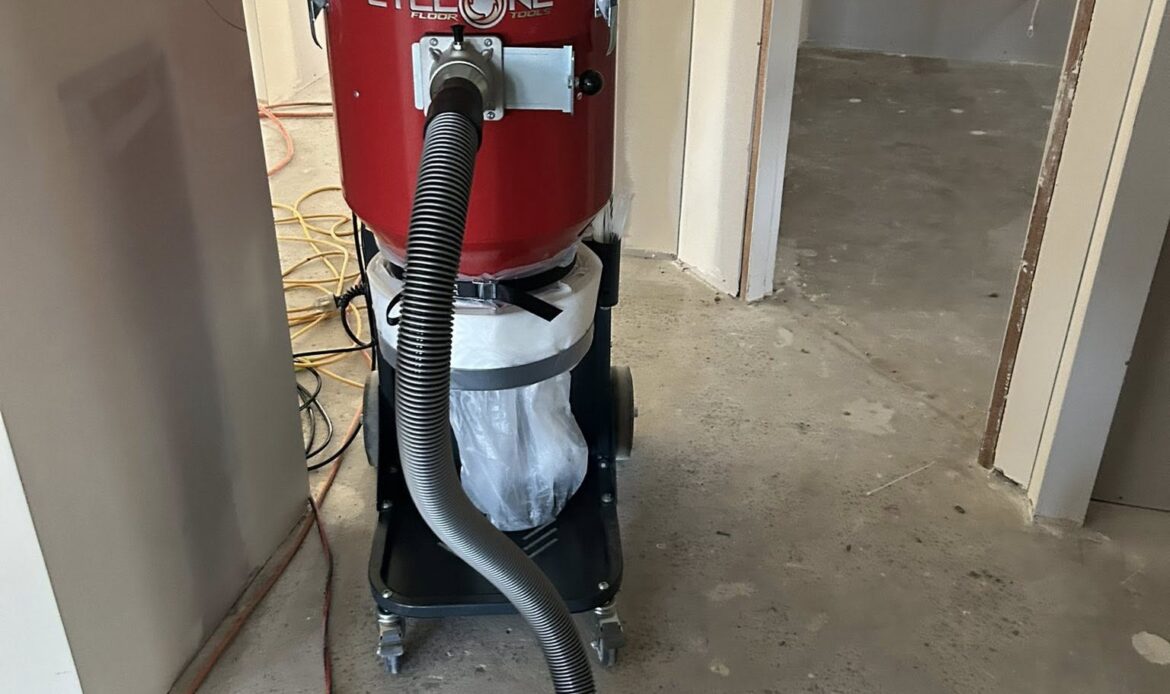
Preparation may need to occur after hours or in stages to minimise disruption. Dust control becomes critical, particularly in occupied spaces where air quality and cleanliness must be maintained. Noise, access, and coordination with other trades all need to be managed carefully.
Commercial slabs are often larger and more heavily used, meaning adhesive residues, coatings, or surface wear may be more extensive. Achieving consistent surface conditions across these spaces is essential, particularly for flooring systems that rely on uniform adhesion and flatness.
Professional floor preparation allows commercial projects to progress smoothly. It provides a predictable foundation for installers, reduces delays, and supports long-term performance in high-traffic environments.
Large-Scale and Industrial Preparation Requires Experience
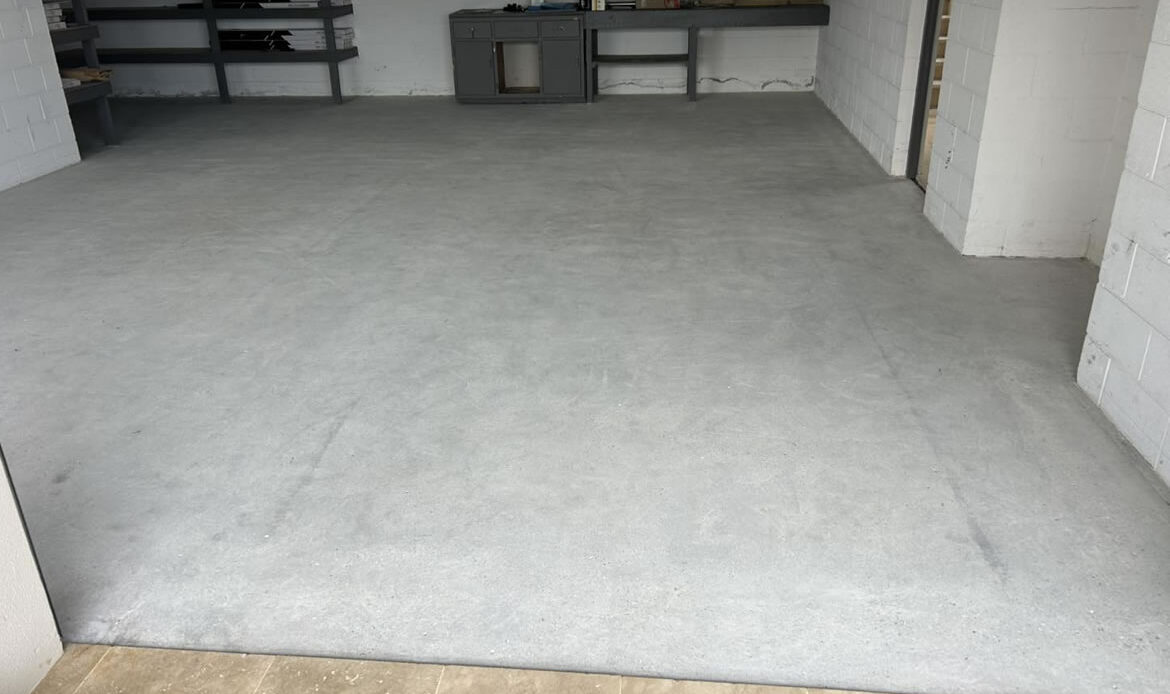
Industrial and large commercial environments place the greatest demands on floor preparation. Warehouses, factories, distribution centres, and large retail spaces are subjected to heavy loads, constant movement, and demanding operational conditions.
These spaces often involve thick industrial adhesives, epoxy coatings, or heavily worn concrete that requires extensive mechanical preparation. Surface consistency is critical across large areas, as even minor irregularities can affect machinery operation, safety, and flooring performance.
Floor preparation at this scale requires not only the right equipment but also the experience to use it effectively. Grinding large areas while maintaining level tolerances, managing dust, and working efficiently without compromising quality is a skill developed over time.
The result of proper preparation in industrial settings is a floor that supports high-performance coatings and finishes designed to withstand ongoing use without premature failure.
The Importance of Dust Control and Site Safety
Preparation Tailored to the Flooring System
One of the most important aspects of professional floor preparation is understanding how different flooring systems interact with the substrate. Tiles, vinyl, timber, carpet, epoxy coatings, and polished concrete all have specific requirements that must be met before installation.
Preparation is never carried out in isolation. It is planned with the final flooring system in mind, ensuring compatibility and compliance with manufacturer specifications. This approach protects warranties and ensures the flooring performs as designed.
Failing to align preparation with the flooring system is one of the most common causes of flooring failure. Professional preparation eliminates this risk by addressing the requirements from the outset.
Consistent Standards Across Every Project
Handling floor preparation for all project sizes requires consistency. The standard applied to a small residential bathroom should be the same standard applied to a large commercial slab. While the scale and logistics may differ, the technical requirements do not change.
This consistency is what allows projects to proceed with confidence. Builders, installers, and clients know the surface has been prepared correctly and will support the flooring system without compromise.
Long-Term Value of Proper Floor Preparation
While floor preparation may appear to be an upfront cost, it is one of the most cost-effective investments in any flooring project. Proper preparation reduces the likelihood of failure, minimises maintenance issues, and extends the life of the flooring system.
In contrast, poor preparation often leads to expensive rectification work that far exceeds the original cost of doing the job properly. From this perspective, floor preparation is not an optional service, it is risk management.
Floor Preparation Done Properly, Regardless of Size
Floor preparation is the quiet work that determines whether a flooring project succeeds or fails. It requires experience, precision, and a clear understanding of how floors perform over time.
By handling floor preparation for all project sizes, Total Floor Prep Solutions provides a reliable foundation for residential, commercial, and industrial flooring systems alike. The focus is always on delivering a surface that supports performance, durability, and long-term value.
No matter the size of the project, the goal remains the same: prepare the floor properly, so everything that follows has the best possible chance to last.
Frequently Asked Questions
1. What is subfloor preparation and why is it important?
Subfloor preparation is the process of mechanically preparing and assessing a concrete slab before installing new flooring. It ensures the surface is clean, level, stable, and suitable for proper adhesion. Without correct preparation, flooring systems can fail prematurely.
2. Do small residential projects require professional floor preparation?
Yes. Even small areas such as bathrooms or kitchens require accurate surface profiling, levelling, and moisture consideration. Minor deviations in flatness or adhesion can cause visible defects like tile lipping, lifting vinyl, or creaking timber floors.
3. How does moisture affect flooring performance?
Concrete naturally transmits moisture. If this is not addressed during preparation, adhesives can break down and flooring may lift or debond over time. Proper preparation identifies and manages moisture risks before installation.
4. Is dust control important during concrete grinding?
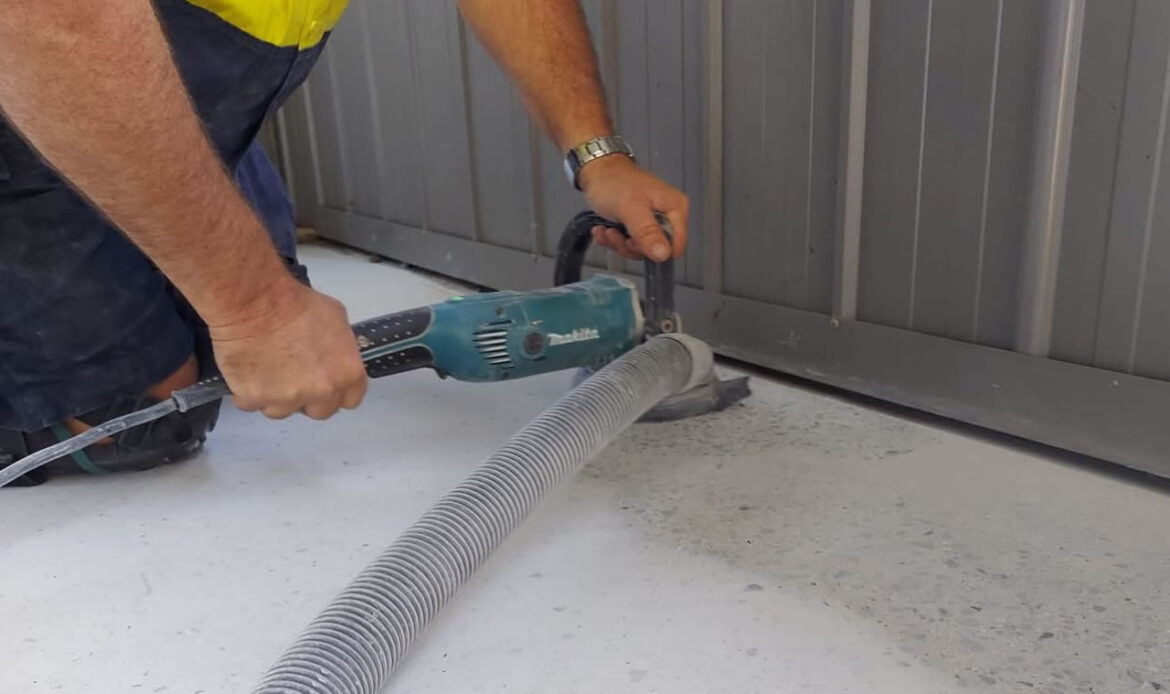
Yes. Concrete grinding releases respirable crystalline silica dust, which poses serious health risks. Professional floor preparation uses dust-controlled equipment to protect workers, occupants, and surrounding areas while maintaining site safety.
5. Does floor preparation differ between residential, commercial, and industrial projects?
The technical standards remain consistent across all project sizes. However, commercial and industrial projects often require larger-scale mechanical preparation, strict dust management, and coordination with operational schedules.