
An uneven floor can be easy to dismiss during a property viewing.
A slight slope in the hallway. A soft patch near the bathroom. A small dip beside the kitchen. A floorboard that creaks when you step on it.
For property buyers, these details may seem minor compared with location, layout, natural light, or renovation potential. But floors can tell an important story about a home. Sometimes, unevenness is cosmetic and relatively simple to address. Other times, it can point to deeper structural, moisture, or subfloor issues that need proper attention before purchase or renovation.
Understanding the difference matters. The goal is not to panic over every sloping room. The goal is to know when uneven floor repair is a straightforward finishing job and when it may signal something more serious.
Why Uneven Floors Deserve a Closer Look
Every home moves slightly over time. Materials expand and contract. Timber settles. Older buildings naturally shift. Small variations in floor levels are not always a red flag.
But uneven floors can also be caused by subfloor damage, poor previous renovations, foundation movement, water leaks, termite damage, weakened joists, or inadequate support beneath the floor.
This is why buyers should treat uneven floors as a question, not an automatic deal-breaker.
The right question is simple: is the unevenness only affecting the surface, or is it connected to the structure below?
Cosmetic Unevenness vs Structural Unevenness
Not all uneven floors are created equal.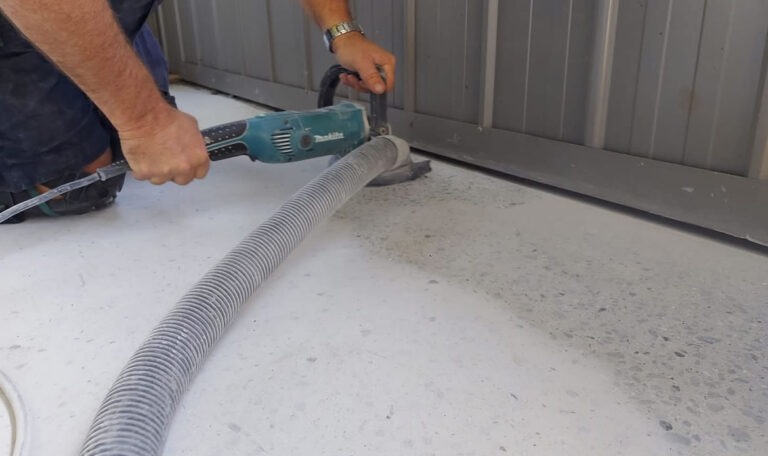
Cosmetic unevenness usually affects the floor’s visible or upper layer. It may be caused by worn floorboards, old adhesive, poorly installed tiles, uneven levelling compound, loose vinyl, or minor surface dips. These issues may still need repair, but they are often more manageable.
Structural unevenness is different. It usually means the problem is coming from the subfloor, joists, bearers, slab, foundations, or moisture-affected materials. These issues can be more complex because they affect the support system beneath the finished floor.
A cosmetic issue may change how the floor looks. A structural issue may change how the floor performs.
That difference is important for property buyers because it can affect repair costs, renovation plans, insurance considerations, and long-term confidence in the home.
Signs the Problem May Be Cosmetic
Some uneven floors are mainly surface-level problems.
For example, a tiled floor may have lippage because the tiles were installed over a poorly prepared base. A laminate floor may feel uneven because the underlay has compressed. A vinyl floor may reveal bumps from old adhesive or imperfections underneath. Timber floorboards may have small gaps, cupping, or age-related wear.
These problems can still matter, especially if you plan to replace the floor finish. But they do not always mean the building itself is unstable.
Possible cosmetic signs include:
- Slight unevenness is limited to one floor covering
- No major cracks in nearby walls or ceilings
- No musty smell or visible moisture staining
- No obvious bounce or softness underfoot
- Unevenness that follows old adhesive, joins, or floor finish defects
- A problem that appears isolated rather than spread across several rooms
In these cases, uneven floor repair may involve removing old flooring, preparing the subfloor, applying levelling compound, replacing underlay, repairing boards, or installing a more suitable floor covering.
Signs the Problem May Be Structural
Structural unevenness deserves more caution.
A floor that slopes noticeably across a room, feels soft underfoot, bounces, sags, or appears to dip near walls may suggest a deeper issue. Cracks in walls, sticking doors, gaps around skirting boards, or moisture marks can also heighten concern.
Possible structural warning signs include:
- A noticeable slope across the whole room
- Floors that bounce, sag, or feel spongy
- Cracks in walls, ceilings, tiles, or cornices
- Doors or windows that stick or no longer sit square
- Gaps between floors, walls, or skirting boards
- Water stains, musty smells, or signs of damp
- Soft timber, rot, or termite damage
- Unevenness across multiple rooms or levels
- Recent patch repairs that look like they may be hiding a problem
One sign alone does not always confirm structural damage. But several signs together warrant investigation before you commit to the purchase.
Why Moisture Is Often Part of the Story
Moisture is one of the most common causes of uneven floors. Australian housing research from the University of Melbourne’s Healthy Housing Unit estimates that as much as one quarter of Australian households have damp and mould in their homes, which shows why buyers should take moisture clues seriously during an inspection.
In bathrooms, laundries, kitchens, subfloors, and ground-level rooms, water can quietly damage timber, adhesives, levelling compounds, and flooring materials. A slow leak may not be obvious during a short inspection, but the floor may reveal clues.
Soft spots, swelling, cupping timber, loose tiles, dark staining, peeling coatings, and musty smells can all suggest moisture-related movement.
For property buyers, this matters because moisture can turn a simple floor repair into a wider building issue. The visible unevenness may only be the symptom. The real problem may be a failed waterproofing system, a leaking pipe, poor drainage, rising damp, or inadequate ventilation beneath the home.
Before planning any uneven floor repair, the moisture source needs to be identified and addressed.
Older Homes Need Context, Not Fear
Many buyers worry when they notice sloping floors in older properties.
That concern is understandable, but older homes often come with some natural movement. A slight slope does not automatically mean the home is unsafe or poorly built. In many cases, the building may have settled decades ago and remained stable since.
The key is to understand whether the movement is historic or active.
Historic movement may show as old, stable unevenness with no fresh cracks or worsening signs. Active movement may show as new cracks, spreading gaps, worsening slopes, or doors and windows that have recently started sticking.
A building inspector, structural engineer, or experienced flooring professional can help distinguish between the two. That advice can give buyers a clearer picture of whether the issue is manageable or needs serious attention.
What Buyers Should Check During a Viewing
You do not need specialist tools to notice early signs of uneven flooring. You just need to slow down and pay attention.
Walk through each room and notice how the floor feels underfoot. Look along the floor from a low angle to see dips or slopes. Check whether furniture appears to lean. Open and close doors. Look for cracks around windows, ceilings, and wall junctions. Notice whether tiles are cracked or hollow-sounding. Pay attention to musty smells or staining near wet areas.
It can also help to ask the agent or seller direct questions.
Has the floor been repaired before?
Has there been any water damage?
Are there known foundation issues?
Has the home had recent renovations?
Are there building reports, pest reports, or waterproofing records available?
Clear answers do not remove the need for due diligence, but they can help you decide what to investigate next.
How Uneven Floor Repair Is Usually Approached
The right repair depends on the cause.
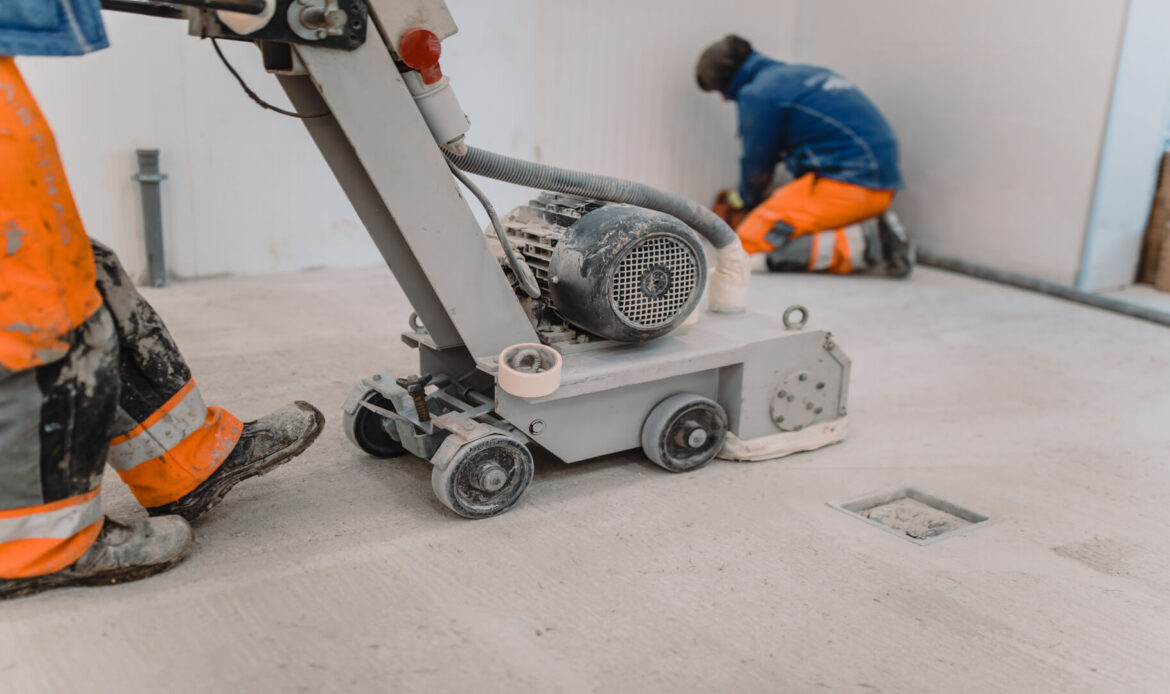
For cosmetic unevenness, repairs may include removing old flooring, cleaning the surface, grinding high spots, filling low spots, applying self-leveling compound, replacing damaged boards, or preparing the surface properly before new flooring is installed.
For structural unevenness, the repair may involve subfloor strengthening, replacing damaged joists, improving support, addressing foundation movement, fixing drainage problems, treating termite damage, or repairing moisture-affected materials.
This is why diagnosis matters. Levelling the top layer of a floor will not solve the problem if the structure underneath is still moving, damp, or weak.
A good repair starts with the cause, not just the appearance.
When to Get a Professional Opinion
Property buyers should consider professional advice whenever unevenness feels significant, widespread, soft, damp, or connected to other warning signs.
A building and pest inspection is a sensible starting point. For more serious concerns, a structural engineer may be needed. If the issue is mainly related to flooring installation or surface preparation, a flooring or subfloor preparation specialist may be able to advise on practical repair options.
Professional input is especially important if:
The floor slopes noticeably across a room
The unevenness appears in several areas
There are cracks in the walls, ceilings, or tiles
The floor feels soft, bouncy, or unstable
There are signs of moisture or rot
The property is older, and movement is unclear
You plan to install tiles, stone, or underfloor heating
The repair cost may affect your purchase decision
Good advice before purchase can help you negotiate, budget, or walk away with confidence if the risk is too high.
What This Means for Your Buying Decision
An uneven floor does not always mean you should avoid a property.
Sometimes it is a manageable repair. Sometimes it is simply part of an older home’s character. Sometimes it gives you useful information for planning future renovations.
But it should never be ignored.
For buyers, the best approach is calm investigation. Notice the signs, ask questions, get the right inspections, and understand whether the issue is cosmetic or structural before making decisions.
Uneven floors are not just about comfort underfoot. They can reveal how well a home has been built, maintained, repaired, and protected from moisture over time.
Get Uneven Floors Checked Before You Buy
An uneven floor can be a minor surface issue or an early sign of something bigger. The difference is not always obvious during a quick viewing, which is why property buyers should treat it as a prompt for closer inspection.
If the problem is cosmetic, uneven floor repair may be relatively straightforward. If the issue is structural, moisture-related, or caused by ongoing movement, it needs proper assessment before any finishing work begins.
The reassuring part is this: an uneven floor need not be a mystery. With careful observation and the right professional advice, buyers can understand what they are really looking at and make a more informed decision.
A floor may not be the first thing you fall in love with when viewing a property, but it can be one of the first things that tells you whether the home is ready to support your plans.
For practical help with uneven, damaged, or poorly prepared floors, Total Floor Prep Solutions can assess the surface and recommend the right preparation method before new flooring is installed. Contact us to discuss your floor condition and organise professional advice before you move ahead.