
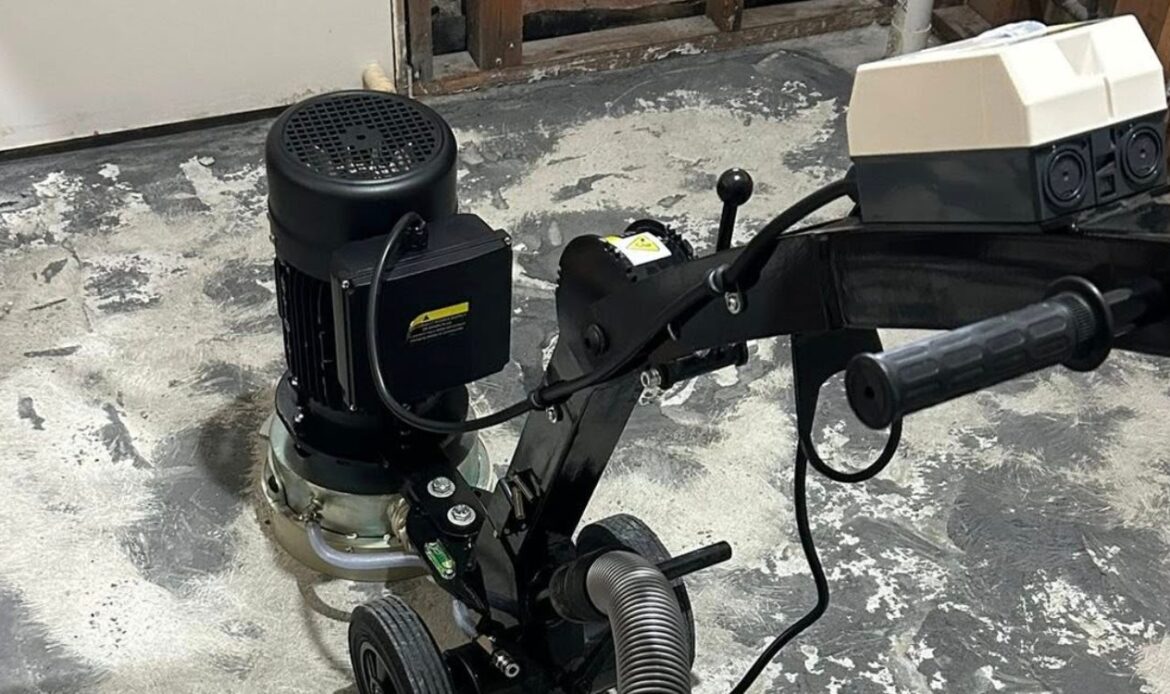
Tiles Are Only as Good as the Surface Beneath Them
When homeowners or builders invest in new tiles, most of the attention goes to colour, finish, layout, and price per square metre. What often gets overlooked is the condition of the surface underneath.
Yet the long-term performance of any tiled floor depends far more on subfloor preparation than on the tile itself.
Incorrect or rushed floor prep leads to:
- Cracked tiles within months
- Lifting or “drummy” hollow sounds
- Uneven edges (lippage)
- Adhesive failure
- Waterproofing issues in wet areas
Professional floor preparation ensures the subfloor is clean, flat, level, and structurally sound before installation begins. Without it, even high-end tiles will fail prematurely.
Businesses such as Total Floor Prep Solutions specialise exclusively in professional subfloor preparation, operating from Byron Bay to the Sunshine Coast and focusing on dust-controlled, quality-driven work .
The reality is simple: tile failure is usually a preparation failure.
Tiles Require a Clean Bonding Surface
Tile adhesives are designed to bond to solid, contaminant-free concrete or screed. If the surface contains:
- Old tile glue
- Carpet adhesive
- Paint
- Epoxy coatings
- Waterproof membrane residue
 the bond becomes unreliable.
Over time, this leads to tiles loosening or sounding hollow when walked on.
Why Adhesive Removal Matters
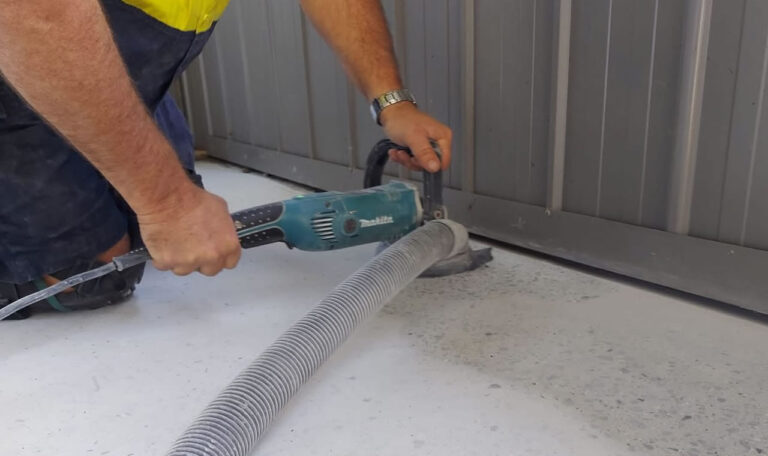
Many renovations involve removing old floor coverings before installing new tiles. Simply pulling up tiles or carpet is not enough. Adhesives and thinset mortar must also be mechanically removed.
Professional floor prep includes:
- Complete floor covering removal
- Glue and residue stripping
- Grinding to expose clean concrete
Total Floor Prep Solutions provides this comprehensive removal process to ensure the slab is properly prepared before reinstallation .
Skipping this stage increases the risk of adhesive failure within the first 12–24 months.
Flatness Prevents Lippage and Tile Stress
Tiles are rigid materials. Unlike vinyl or carpet, they do not flex to compensate for uneven surfaces.
If the subfloor has:
- High spots
- Low spots
- Uneven patches
- Minor dips or humps
the result is uneven tile edges, known as lippage.
What Lippage Causes
- Trip hazards
- Premature cracking
- Increased stress on grout lines
- A visibly poor finish
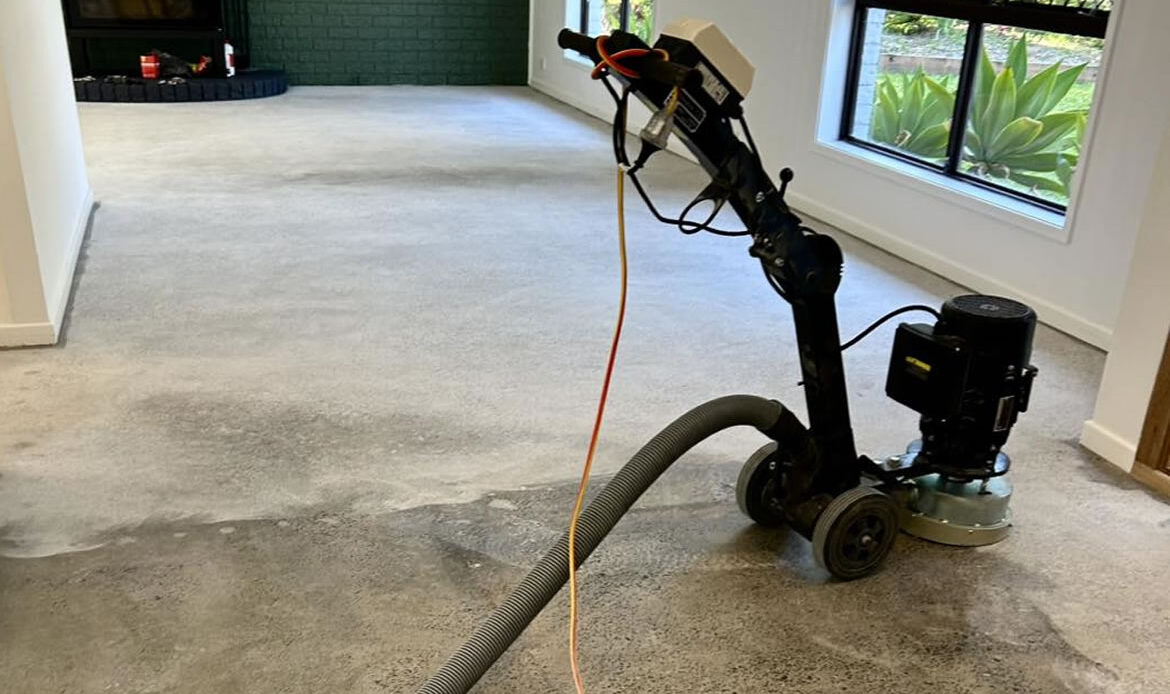
Professional concrete grinding and floor levelling correct these issues before tiling begins.
Industrial diamond grinders are used to shave down high spots, while self-levelling compounds are applied to fill dips and low areas .
The goal is simple: achieve tight flatness tolerances so the tile sits evenly across the entire floor.
Large-format tiles are particularly unforgiving. The larger the tile, the flatter the surface must be.
Dust Control Is Not Optional — It’s Critical
- Dust spreads through the property
- Health risks increase
- Cleanup costs escalate
- Other trades are delayed
Why Dust Control Impacts Tile Quality
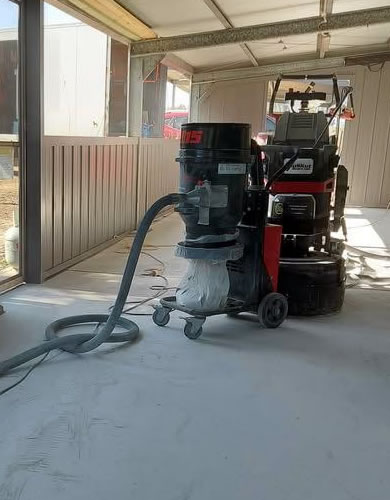
Excess dust left on a slab reduces adhesive bonding strength. Even a thin layer of fine dust can compromise adhesion.
Dust-controlled grinding ensures:
- Cleaner bonding surfaces
- Safer work environments
- Reduced contamination before installation
A clean slab is not just about appearance. It directly affects long-term durability.
Waterproofing Failure Often Starts at Prep Stage
In bathrooms, laundries, and balconies, waterproofing integrity is essential.
If old membranes are:
- Poorly removed
- Unevenly stripped
- Left partially intact
new waterproofing systems may not adhere properly.
Professional wet-area stripping removes membranes back to bare slab where required .
Failure to prepare wet areas correctly can result in:
- Water ingress
- Structural damage
- Costly remediation
- Insurance complications
Fixing failed waterproofing after tiles are installed often requires full demolition.
Proper preparation prevents this scenario entirely.
Structural Soundness Reduces Cracking
Hairline cracks and minor surface damage in concrete slabs must be assessed before tiling.
Professional floor preparation includes:
- Grinding away weak surface layers
- Filling minor cracks
- Ensuring the surface is stable and sound
Tiles installed over unstable substrates are likely to crack under load.
Cracking is not always caused by the tile. It is frequently caused by subfloor movement or unaddressed slab defects.
Correcting minor issues before installation prevents major failures later.
Subfloor Preparation Extends Tile Lifespan
Tile systems are designed to last decades. However, their lifespan depends heavily on what lies underneath.
When properly prepared:
- Adhesive bonds fully
- Load is evenly distributed
- Movement stress is reduced
- Moisture risks are minimised
When poorly prepared:
- Repairs may be required within 2–5 years
- Sections may need replacement
- Full reinstallation may become necessary
The cost of professional floor prep is small compared to the cost of re-tiling.
Anchoring the decision to logic: redoing a failed tile installation typically costs more than preparing the surface correctly the first time.
Professional Floor Prep Is Not the Same as DIY Removal
Many property owners consider removing tiles themselves to reduce renovation costs.
However, DIY removal often results in:
- Uneven slab surfaces
- Excessive dust spread
- Partial adhesive removal
- Surface gouging
Professional operators use industrial equipment specifically designed for:
- Efficient tile stripping
- Controlled adhesive removal
- Precision grinding
Total Floor Prep Solutions operates as a specialised floor preparation provider, focusing exclusively on delivering a clean, flat base for new installations .
Specialisation matters. Floor prep is not a side task. It is a technical process requiring the correct tools and methods.
Professional Prep Reduces Installation Delays
Tile installers often refuse to lay tiles on improperly prepared surfaces.
If prep is inadequate:
- Installers may halt work
- Additional grinding becomes necessary
- Project timelines extend
- Labour costs increase
By ensuring the slab meets flatness and cleanliness requirements before installation begins, professional preparation reduces project interruptions.
Total Floor Prep Solutions serves both residential and commercial projects across a broad service area from Byron Bay to the Sunshine Coast , indicating operational capability for both small and large-scale renovations.
Timelines are protected when preparation is completed correctly the first time.
Preparation Impacts Aesthetic Outcome
Even premium tiles cannot hide surface imperfections.
Poor preparation leads to:
- Visible unevenness
- Inconsistent grout lines
- Hollow sounds underfoot
- Reduced visual appeal
Professional floor preparation ensures:
- Uniform tile alignment
- Smooth transitions
- Stable substrate support
The final finish depends on the foundation beneath it.
As the company introduction states, floor preparation is the essential first step that guarantees the best possible installation and finish for new flooring.
The Cost of Skipping Floor Prep
When evaluating renovation budgets, floor preparation can appear as an additional cost.
However, consider the alternatives:
- Removing and replacing cracked tiles
- Re-grinding floors after failed adhesion
- Repairing water damage from failed waterproofing
- Delays causing labour rescheduling costs
Each of these outcomes is significantly more expensive than proper preparation.
The financial comparison is not between prep and no prep.
It is between:
- Controlled upfront preparation
- Uncontrolled reactive repairs
Professional prep reduces long-term cost exposure and prevents repeat failures.
What Professional Floor Prep Typically Includes
A complete preparation process before laying tiles may involve:
Floor Covering Removal
Removal of tiles, timber, carpet, vinyl, and old coatings .
Adhesive and Residue Stripping
Mechanical removal of glues, thinset, and membranes .
Concrete Grinding
Flattening and smoothing using industrial diamond grinders .
Floor Levelling
Application of self-levelling compounds where required .
Dust-Controlled Operation
Use of H-Class vacuum systems and professional safety equipment .
Each step serves a specific purpose. None are cosmetic. All directly impact performance.
Why Floor Prep Should Be Treated as a Separate Trade
In many renovations, floor prep is treated as an add-on to tiling.
This creates risk.
Preparation requires:
- Heavy-duty machinery
- Technical understanding of slab conditions
- Dust mitigation systems
- Surface tolerance measurement
Total Floor Prep Solutions positions itself as a dedicated subfloor preparation specialist .
This focused approach aligns with industry best practice: separate preparation from installation to ensure both are completed to professional standards.
When prep is rushed or combined with installation under time pressure, quality often suffers.
Tiles Fail from the Bottom Up
New tiles represent a significant investment in both materials and labour, and their long-term performance depends entirely on what lies beneath them. Proper subfloor preparation ensures the surface is clean, level, and structurally sound, allowing adhesives to bond correctly and tiles to remain stable over time. Critical steps such as dust-controlled grinding, complete adhesive removal, accurate levelling, and proper waterproofing preparation all work together to prevent cracking, lifting, hollow sounds, and premature failure. Floor preparation is not an optional extra, it is the structural foundation that supports the entire installation and ensures tiles can perform reliably for decades rather than failing within the first year.
To protect your investment and ensure a professional, long-lasting result, it is essential to work with experienced specialists such as Total Floor Prep Solutions. Their expertise ensures the subfloor is properly prepared before installation begins, reducing risks, preventing costly repairs, and supporting the best possible finish. Before laying new tiles, make sure the surface beneath them is professionally prepared, because the quality of the foundation directly determines the durability, appearance, and lifespan of the finished floor.
Frequently Asked Questions
1. Why is subfloor preparation important before laying tiles?
Subfloor preparation ensures the concrete is clean, level, and structurally sound. Without proper preparation, tiles can crack, lift, sound hollow, or fail due to poor adhesive bonding.
2. Can I install new tiles over old adhesive residue?
No. Old glue, thinset, paint, or membrane residue can prevent tile adhesive from bonding correctly. Mechanical grinding is typically required to expose clean concrete before installation.
3. What causes tiles to sound hollow after installation?
Hollow or “drummy” tiles are usually caused by poor bonding between the adhesive and the subfloor. This often results from inadequate cleaning, dust contamination, or uneven surfaces during preparation.
4. Is dust control necessary during concrete grinding?
Yes. Concrete grinding releases respirable crystalline silica dust, which poses serious health risks. Professional floor preparation uses dust-controlled equipment to protect workers and ensure a clean bonding surface.
5. Does professional floor preparation extend the life of tiled floors?
Yes. Proper grinding, levelling, adhesive removal, and moisture management significantly reduce the risk of cracking, debonding, and waterproofing failure, helping tiles last for decades.