
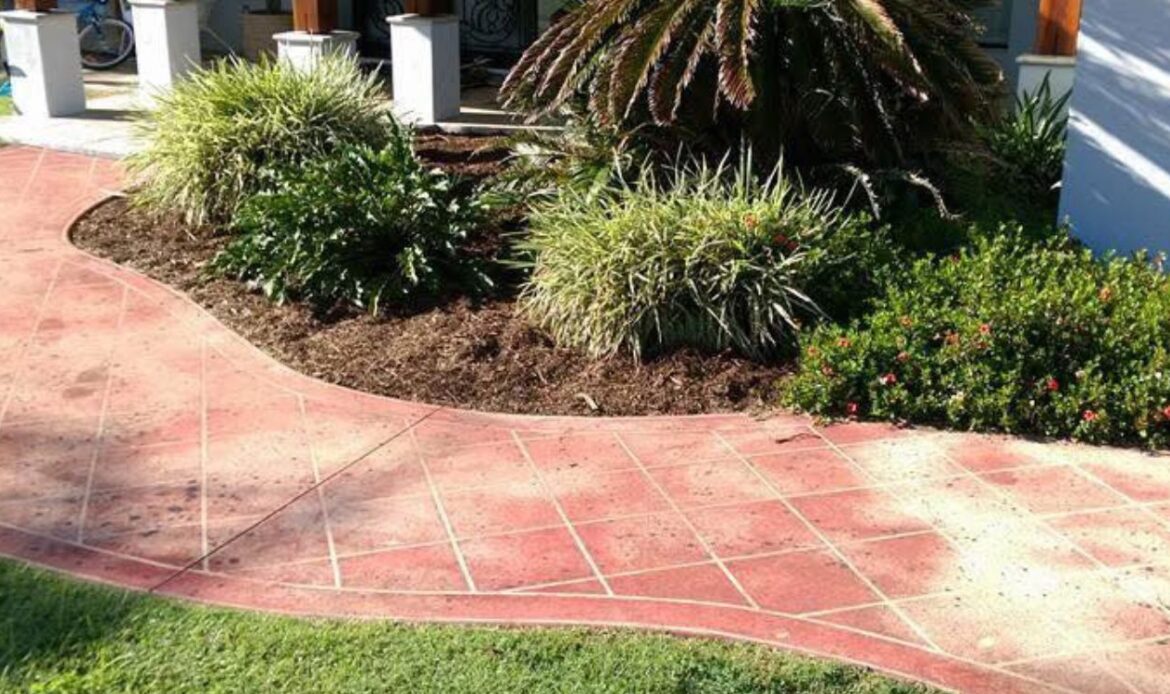
When most people imagine a finished floor, they picture the visible surface, the clean lines of large-format tiles, the warmth of engineered timber, the seamless sheen of polished concrete or the hard-wearing finish of an epoxy coating. What rarely receives the same attention is the stage that determines whether that surface will remain intact and performing years from now: the preparation of the floor beneath it.
In Byron Bay, where coastal air, humidity, renovation activity and varied construction styles intersect, reliable floor preparation is not simply a procedural step before installation, it is the technical foundation that determines whether a flooring system performs as intended or begins to fail long before its expected lifespan.
Floor preparation is not about appearance. It is about structural integrity, adhesion, flatness tolerances and moisture behaviour. It is about understanding how concrete slabs respond to environmental conditions and how different flooring systems interact with the surfaces beneath them. In a coastal environment like Byron Bay, those variables matter more than many realise.
The Coastal Factor: Why Byron Bay Conditions Demand Proper Preparation
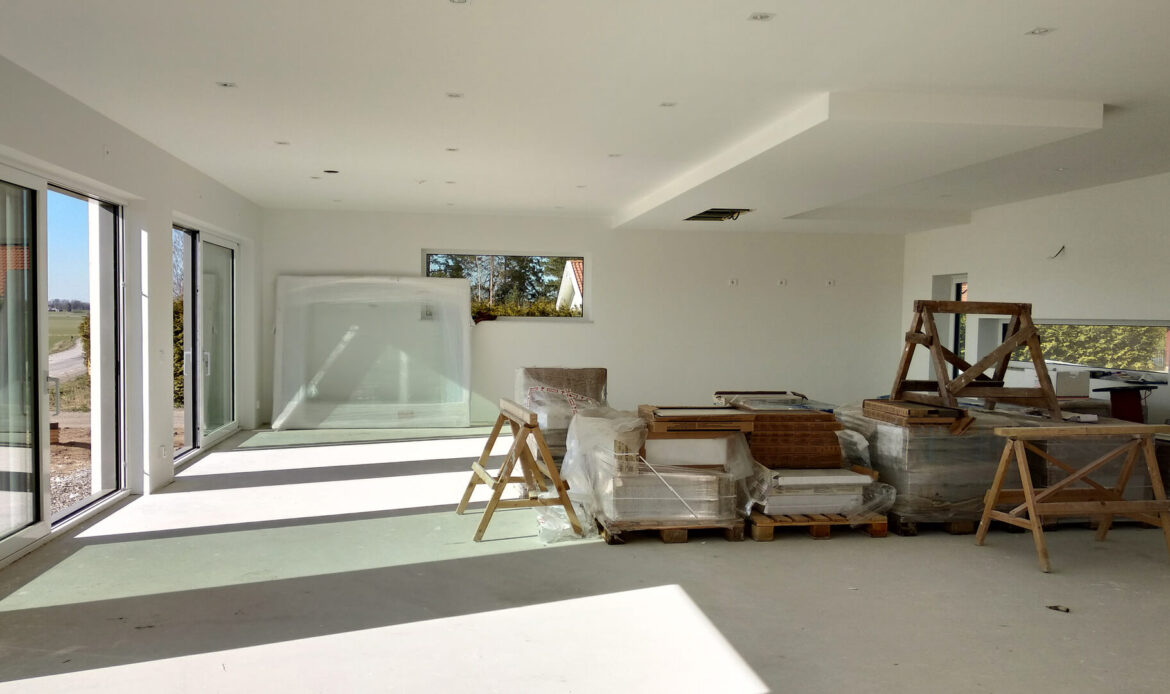
Byron Bay’s natural appeal comes with environmental realities that influence construction performance. Salt-laden air, fluctuating humidity, seasonal rainfall and coastal ground conditions all affect how concrete behaves over time. Slabs expand and contract, absorb and release moisture, and respond to temperature variation in ways that can compromise flooring systems if not properly accounted for.
Many properties throughout Byron Bay also involve renovation rather than new construction. It is common to uncover layers of old adhesives, previous tile installations, vinyl residues or surface sealers that have accumulated over decades. These remnants may not be visible once a floor covering is removed, yet they remain embedded in the slab surface, interfering with the bond of any new system installed over them.
When preparation is rushed or treated as secondary, these underlying conditions remain hidden beneath the new finish. The result may not be immediate, but over time issues begin to appear — hollow sounds beneath tiles, cracked grout lines, lifting vinyl, bubbling coatings or unexplained debonding. In many cases, these failures are attributed to product defects when in reality they stem from inadequate preparation.
Reliable floor preparation addresses these risks before the finished surface is installed, ensuring that the substrate meets both environmental and technical demands.
Floor Preparation Is a Technical Discipline, Not a Clean-Up Task
Why Tile Installations Depend So Heavily on Preparation
Tiles are rigid materials. Unlike carpet or flexible vinyl, they do not accommodate movement or unevenness in the substrate. This rigidity makes preparation especially critical.
If a slab contains high spots or low areas, tiles cannot sit evenly across the surface. Attempting to compensate with thicker adhesive beds introduces curing inconsistencies and weakens the bond. Over time, foot traffic and structural movement expose these weaknesses through cracked grout or hollow sounds beneath the tile surface.
In Byron Bay, tiled floors are common in both residential and commercial settings due to their durability and aesthetic versatility. However, without proper preparation, tiled surfaces are particularly vulnerable to moisture-related issues. Coastal slabs that transmit moisture can compromise adhesive systems if the surface is not correctly prepared and profiled.
A properly prepared slab ensures that adhesive bonds directly to mechanically textured concrete, that flatness tolerances are achieved before installation begins, and that the tile system performs consistently under real-world conditions.
Vinyl, Timber and Coating Systems Require Equal Precision
Although tile installations are often associated with strict preparation standards, other flooring systems are no less dependent on substrate condition.
Luxury vinyl planks, hybrid systems and sheet vinyl demand smooth, level surfaces to prevent imperfections from telegraphing through the finished floor. Even slight adhesive ridges or surface irregularities can become visible once the product is installed.
Engineered timber systems rely on flatness and substrate stability to prevent movement and joint separation. Uneven substrates increase the risk of squeaking floors, gapping or premature wear.
Polished concrete and epoxy coatings require consistent surface profiling to achieve uniform adhesion and appearance. Inconsistent grinding patterns or residual contaminants can cause visible variations or coating failures.
In each case, the finish may differ, but the principle remains the same: the surface beneath must be prepared to a technical standard that supports long-term performance.
Moisture: The Hidden Risk in Coastal Slabs
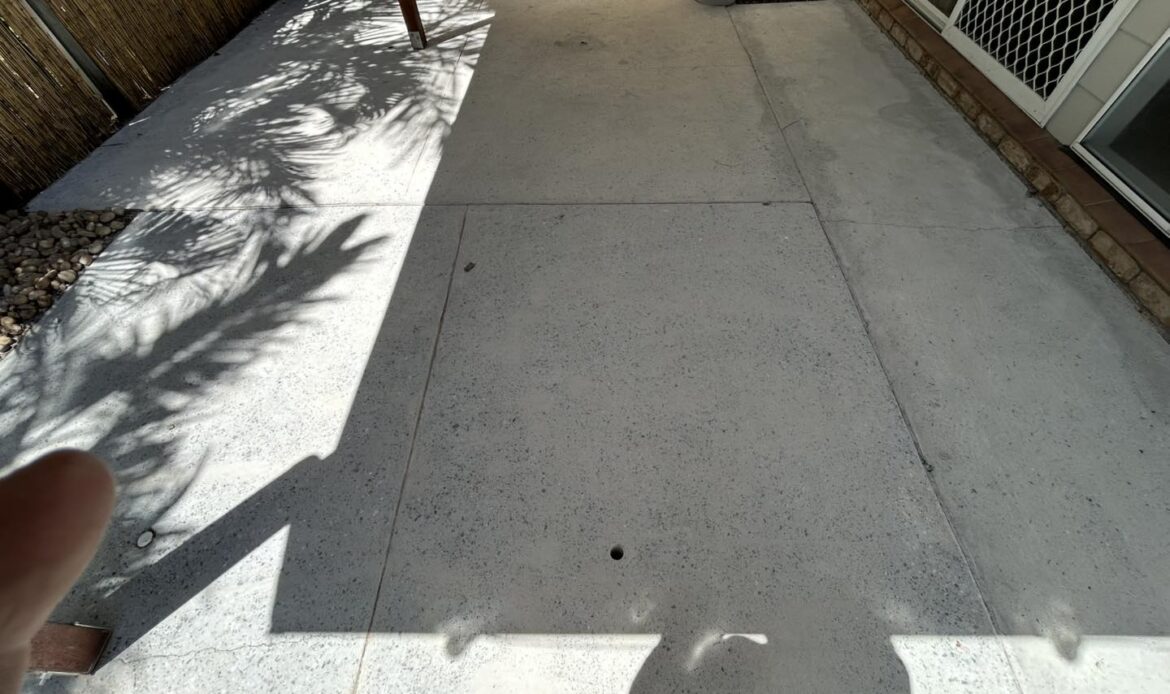
One of the most significant risks in Byron Bay flooring projects is moisture behaviour within concrete slabs. Concrete is porous by nature and continues to release moisture long after curing. In coastal regions, groundwater levels and humidity can exacerbate this process.
If flooring is installed over a slab with uncontrolled moisture transmission, adhesive breakdown and debonding can occur. These issues often appear months after installation, when rectification becomes disruptive and costly.
Reliable preparation includes moisture awareness and coordination with appropriate systems before flooring installation. Addressing moisture risks at the preparation stage is significantly more effective than attempting remediation once the floor is in service.
Residential, Commercial and Industrial Considerations
In residential settings, preparation ensures smooth transitions between rooms, compatibility with waterproofing in wet areas, and minimal disruption during renovations. Bathrooms and kitchens require particular attention due to moisture exposure and strict performance expectations.
Commercial projects introduce additional variables such as tight timelines, dust management requirements and high foot traffic performance demands. Preparation must be efficient yet precise, ensuring that flooring systems can withstand ongoing public use.
Industrial environments demand even greater attention to substrate condition. Heavy machinery, forklift traffic and chemical exposure place significant stress on floor systems. Preparation in these spaces often involves deeper mechanical profiling and strict adhesion requirements to ensure durability and safety.
Regardless of scale, the technical principles of preparation remain consistent.
Avoiding Common Preparation Failures
Many flooring failures can be traced back to shortcuts taken during preparation. Assuming that new concrete is installation-ready, skipping mechanical grinding, ignoring flatness tolerances or installing over adhesive residues are common oversights that compromise performance.
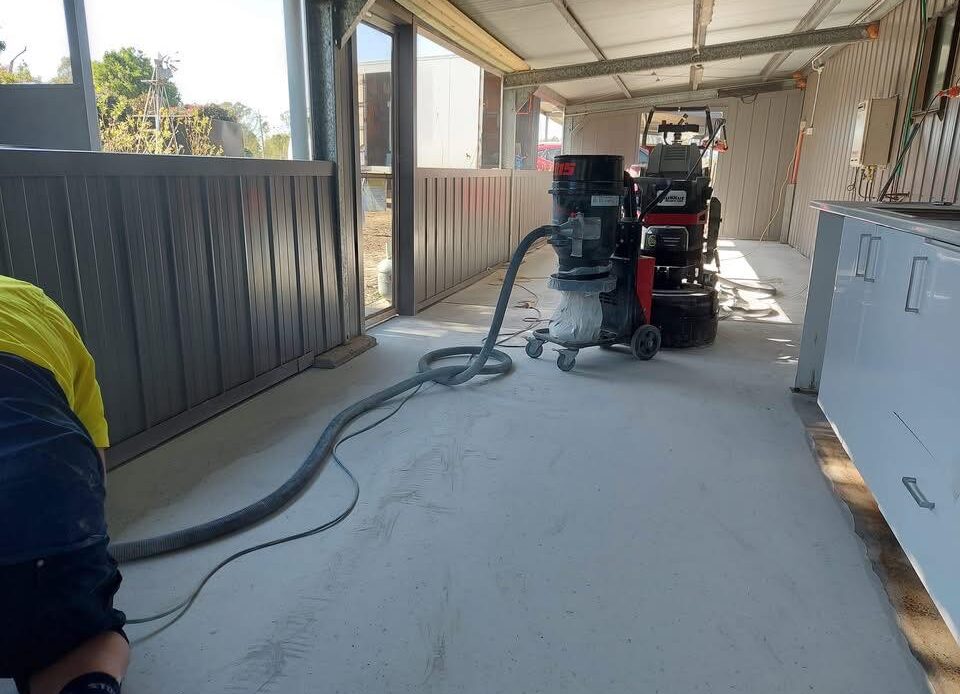
Domestic tools or general construction equipment cannot replicate the surface consistency achieved by industrial-grade grinding systems. Attempting to reduce preparation time often results in costly rectification later.
Reliable floor preparation eliminates guesswork and aligns the substrate with manufacturer specifications from the outset.
The Long-Term Value of Professional Preparation
While floor preparation represents an upfront investment, it significantly reduces the risk of premature failure. Replacing cracked tiles, lifting vinyl or failed coatings involves removal, re-preparation and reinstallation — costs that far exceed proper preparation at the beginning of a project.
In Byron Bay’s coastal environment, where moisture and environmental factors add complexity, preparation acts as a safeguard against unpredictable performance issues.
Reliable preparation supports installers, protects property owners and ensures that finished floors perform as intended for years to come.
The Foundation Beneath Every Successful Floor
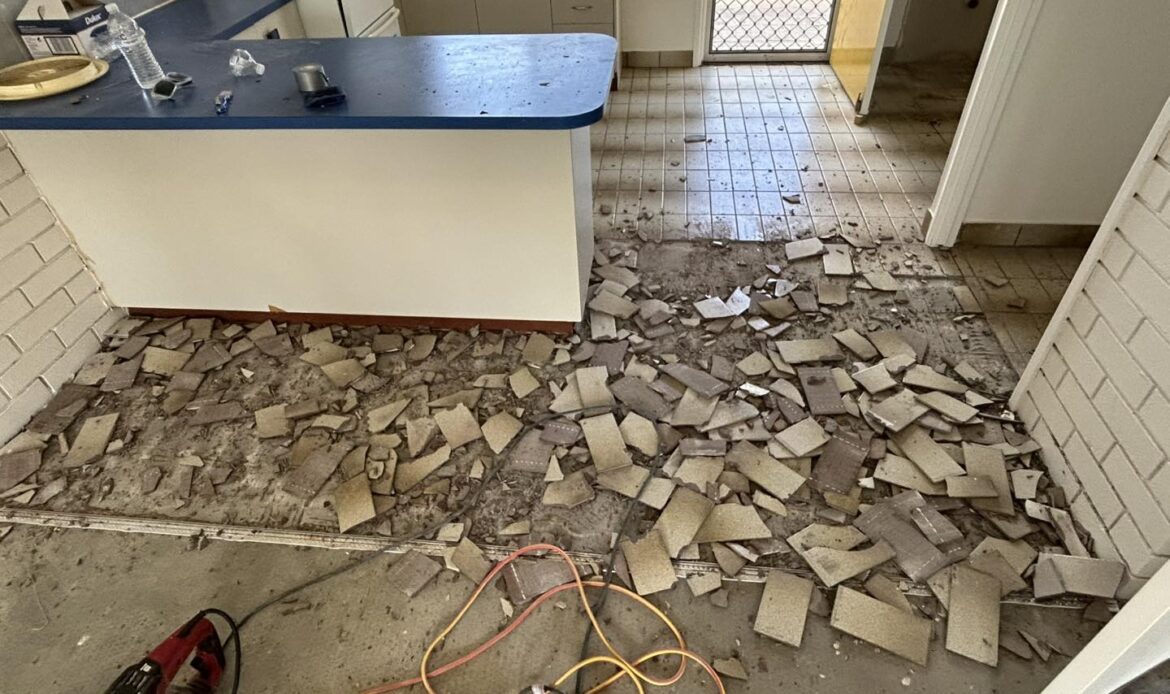
Reliable floor preparation services in Byron Bay are not about surface appearance, they are about structural readiness and long-term reliability. They involve measured assessment, mechanical profiling, levelling precision and environmental awareness.
When preparation is done correctly, it disappears beneath the finished surface, leaving no visible trace. Yet its impact is evident every time the floor is walked on without hollow sounds, cracking or movement.
In a region where environmental conditions demand resilience and construction quality matters, floor preparation is not an afterthought. It is the stage that determines performance above by ensuring strength below.
Because ultimately, the durability of any floor is decided long before the final surface is laid. For reliable, professional results that ensure long-term performance, Total Floor Prep Solutions provides expert floor preparation services trusted across Byron Bay and surrounding areas.
Frequently Asked Questions
1. Why is floor preparation important before installing new flooring?
Floor preparation ensures the concrete substrate is clean, level, and properly profiled for adhesion. Without correct preparation, flooring systems can fail due to poor bonding, uneven surfaces, or moisture-related issues.
2. Does coastal humidity in Byron Bay affect flooring performance?
Yes. Coastal humidity, salt-laden air, and fluctuating moisture levels can affect how concrete slabs behave. Proper mechanical preparation and moisture awareness are essential to prevent long-term flooring failures.
3. What happens if floor preparation is skipped?
Skipping preparation can lead to cracked tiles, lifting vinyl, bubbling coatings, hollow sounds, and adhesive breakdown. Many flooring failures are caused by inadequate substrate preparation rather than product defects.
4. Is grinding necessary before installing tiles or vinyl?
In most cases, yes. Mechanical grinding removes contaminants such as old adhesives and sealers while creating a textured surface profile that allows new flooring systems to bond correctly.
5. How does professional floor preparation improve long-term durability?
Professional preparation ensures the slab meets flatness tolerances, adhesion standards, and moisture considerations before installation. This reduces the risk of costly repairs and extends the lifespan of the finished floor.