
Total Floor Prep Solutions
Covercrete Removal
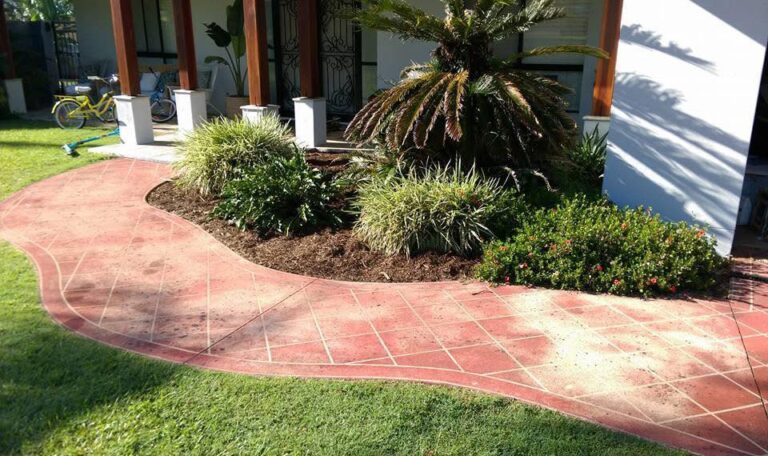
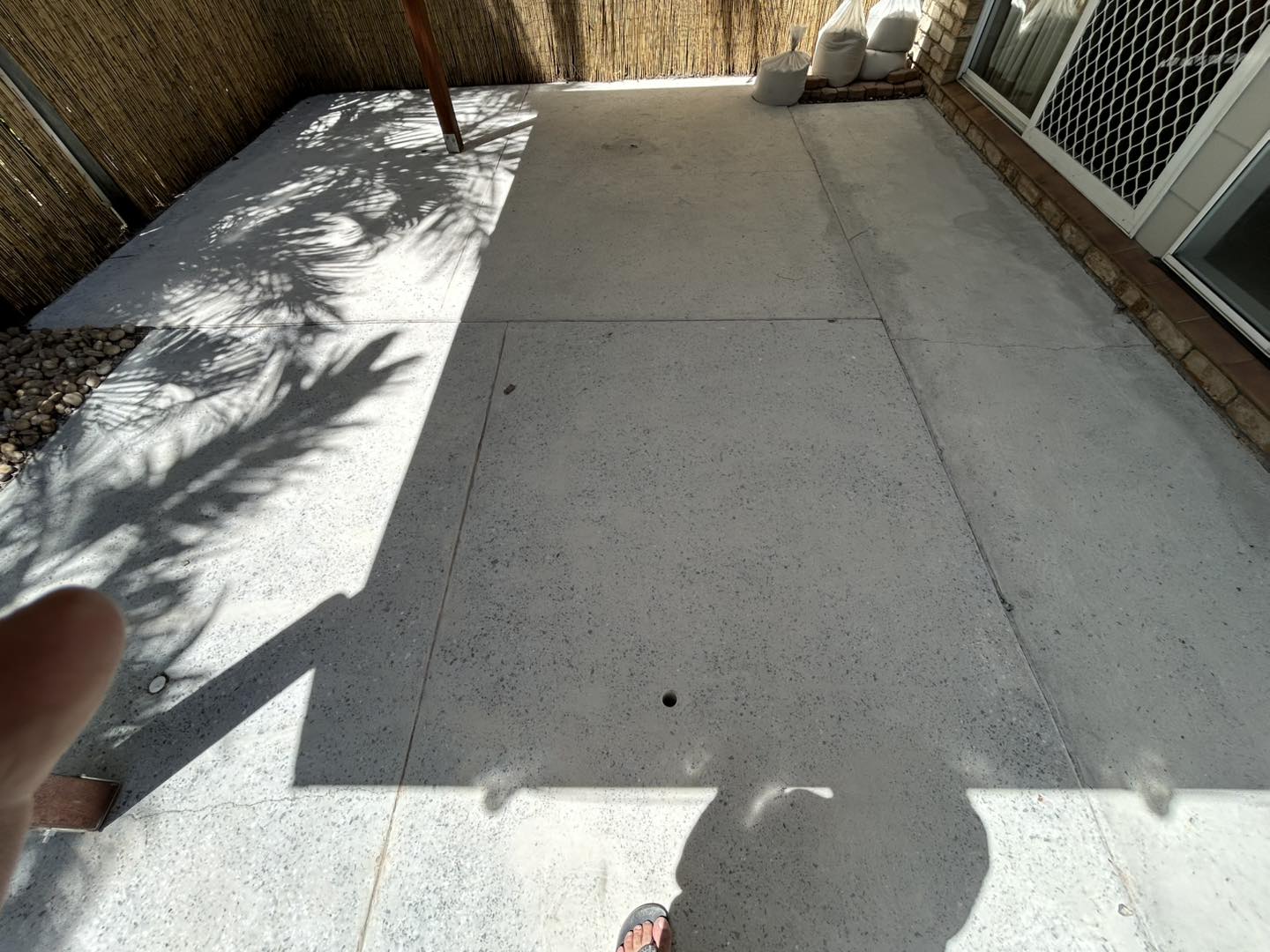
Remove decorative coatings completely, restore clean concrete underneath.
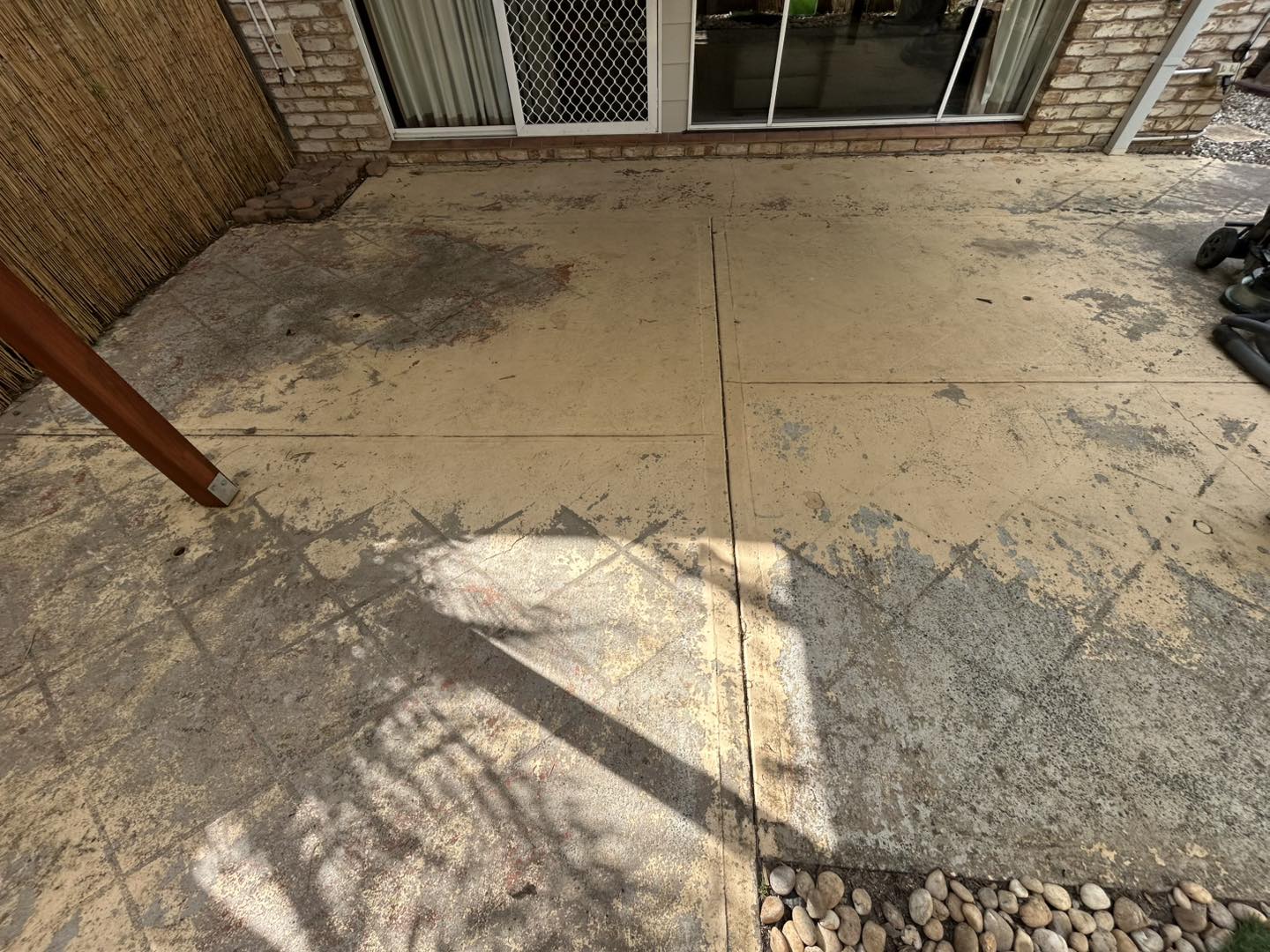
Covercrete and decorative concrete overlays must be fully removed before new flooring, coatings, or resurfacing systems can be installed. Partial removal or patch grinding leaves bonded material behind, leading to adhesion failure and uneven finishes.
Total Floor Prep Solutions provides professional covercrete removal that takes surfaces back to bare, workable concrete, ready for the next stage, without shortcuts.
When Covercrete Removal Is Required
How Our Covercrete Removal Works
Why Full Covercrete Removal Matters
Covercrete Removal – FAQs
That’s the most common question, and where most failures start.
Grinding into covercrete leaves bonded material behind. New tiles, coatings, or overlays then rely on the old covercrete’s bond, not the concrete slab. If that layer moves, cracks, or releases, the new finish goes with it.
Full removal takes the risk out of the equation and gives your installer a surface they can actually stand behind.
Because covercrete usually fails from underneath, not on the surface.
Moisture, age, or slab movement weaken the bond long before visible cracking appears. Installing over it locks that risk in and shifts the cost forward—usually after tiling or coating is complete.
Removing it now avoids paying twice later.
If the next finish requires direct adhesion to concrete, then yes.
Tiles, epoxy, vinyl, and most modern systems are specified for bare slabs. Many installers will refuse to warranty work laid over decorative coatings.
Removal isn’t about preference—it’s about meeting install requirements so the job can actually be signed off.
No. The process is controlled and targeted.
We remove the coating layer without compromising the structural slab. In fact, removal often reveals slab issues early—before they’re hidden under new finishes. That gives you clarity, not surprises after installation.
It prevents:
Failed tiles or coatings
Waterproofing adhesion issues
Flooring warranties being voided
Rework after fit-off
Covercrete removal costs far less than replacing a finished floor that didn’t bond properly.